Growing old together, differently: notes from our ageing and polyamory session
5 November 2026
By Angel Perez
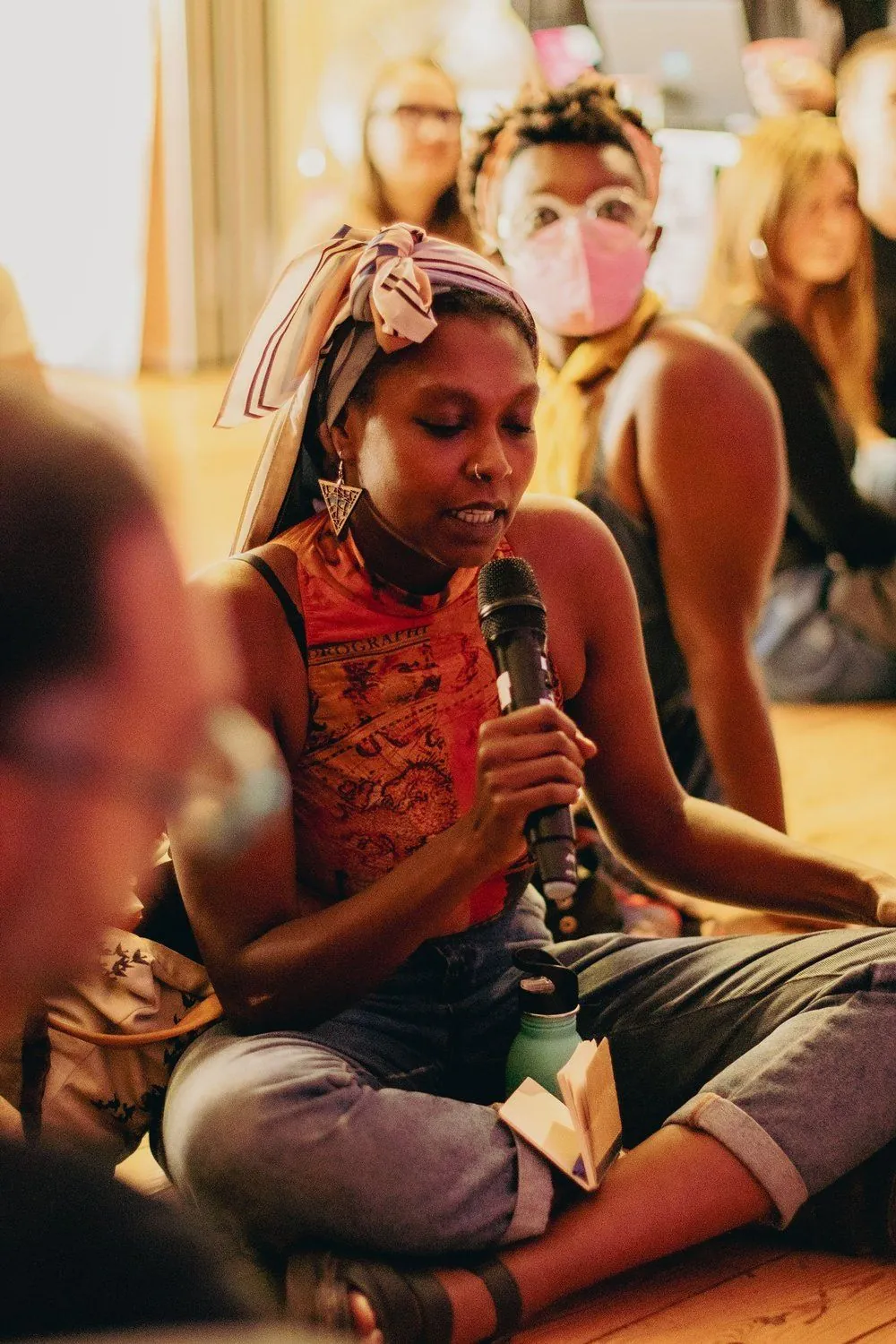
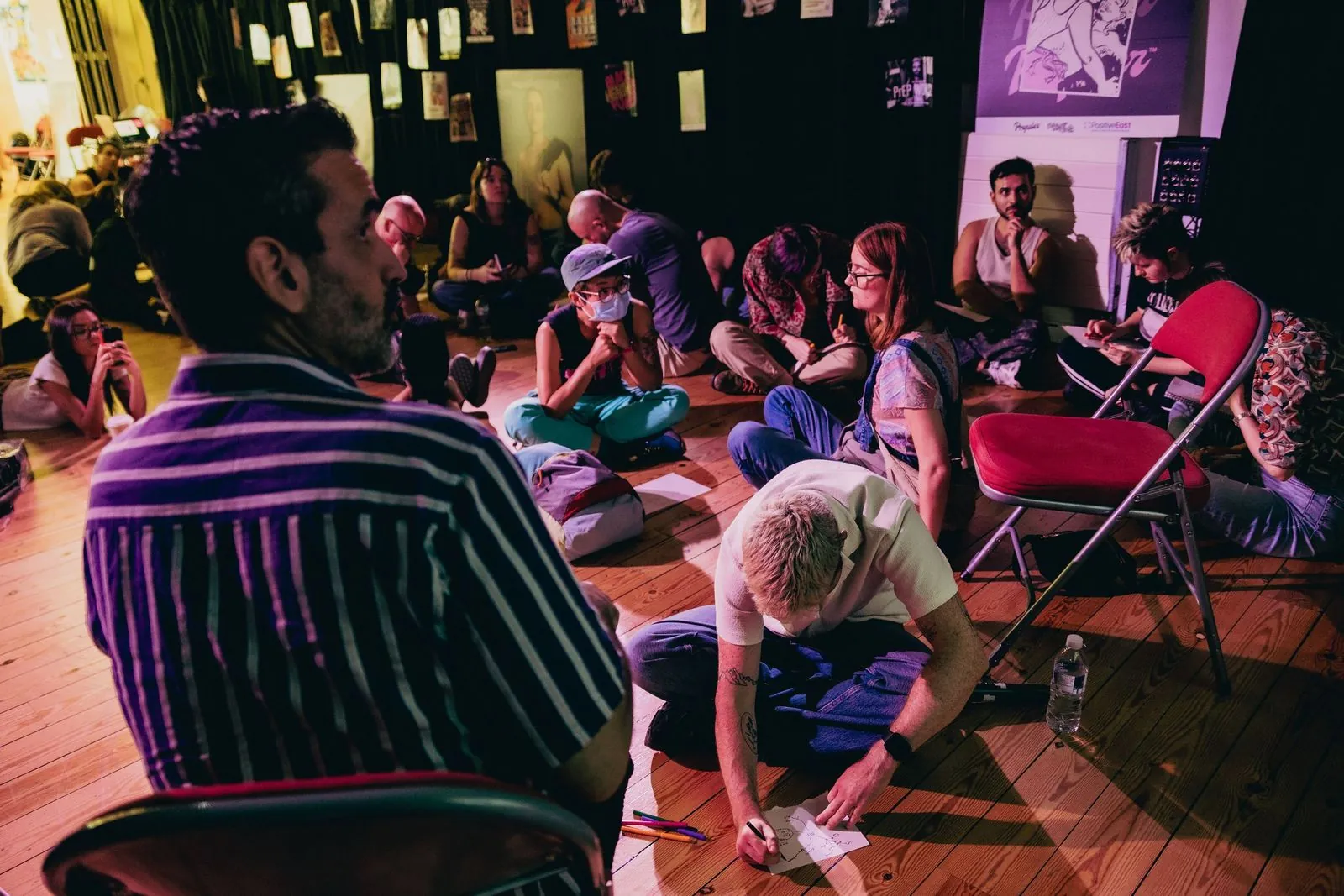
On Wednesday 28 October we ran a session on ageing and polyamory at The Common Press in Dalston, and honestly it was one of the best sessions we've ever done at Polystation.
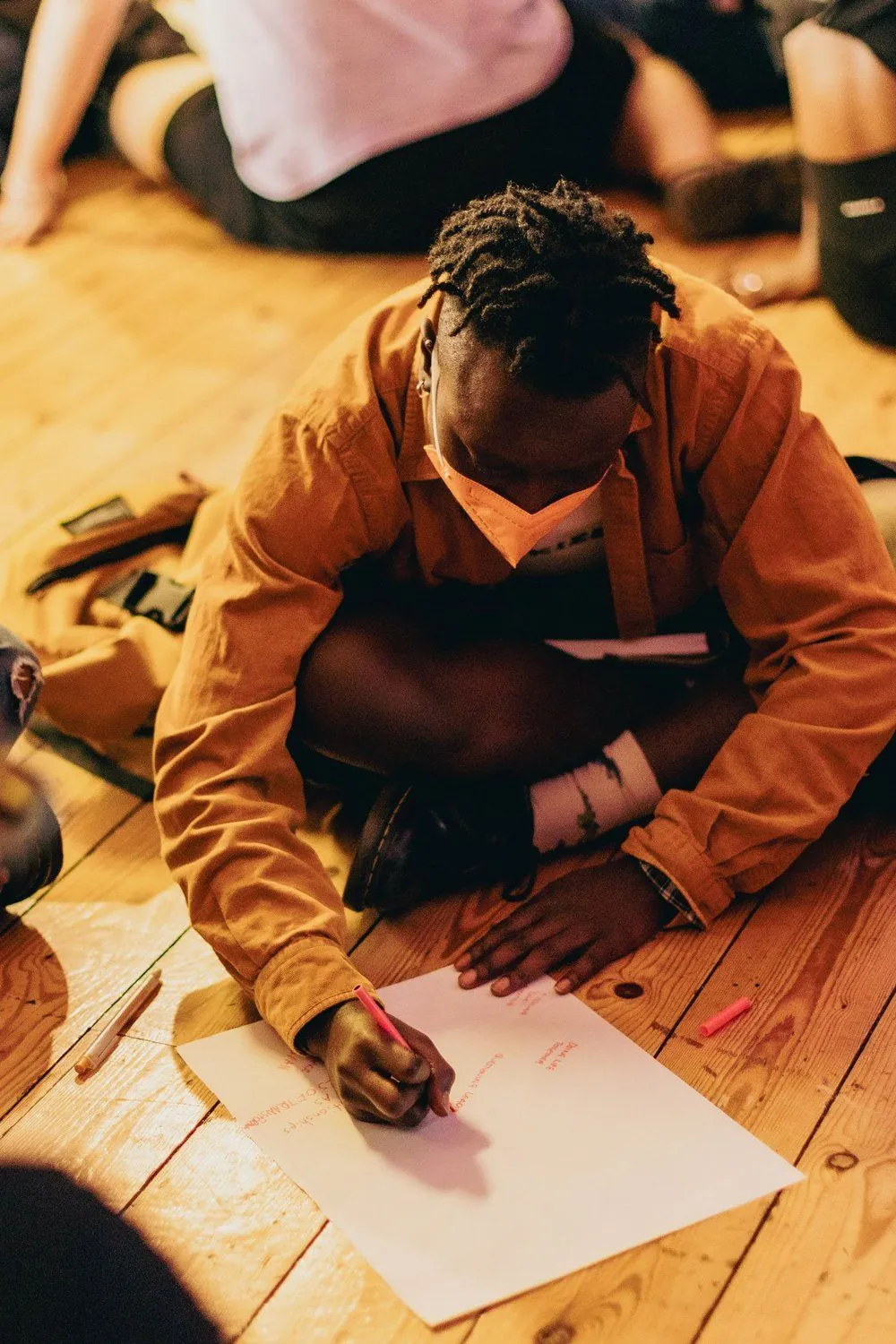
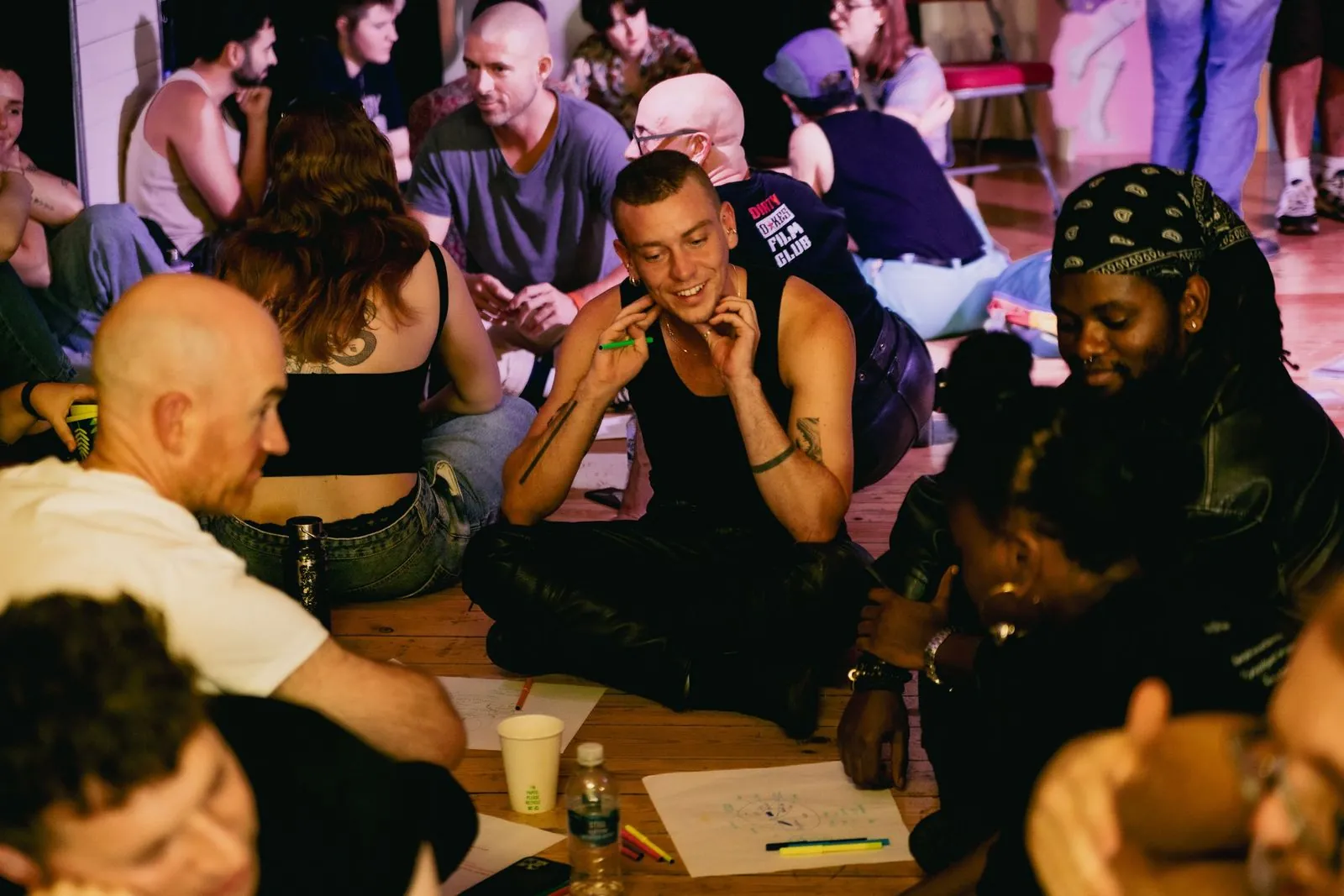
We started by asking people a simple question: what challenges and opportunities do you see as we age? Everyone went off into small groups to talk it through, then we came back together and shared what had come up.
The institutions around ageing, things like housing, healthcare, pensions, care homes, are all set up for people ageing in a monogamous way. Everything assumes a couple, or at most a nuclear family. Thinking about how we age in polyamorous ways means pushing against all of that, and people in the room really felt how hard that is.
Care was a prominent discussion point. When you have many people around you, there are more people to care for and more people to be cared for by. Care doesn't have to sit on one partner's shoulders.
Money came up a lot too. People talked about putting money together for retirement plans, which makes so much sense when you think about it. But we also admitted something: we don't often talk about money. It's a very private thing. Maybe in polyamory one of the key shifts is to start thinking of money as something we share collectively. Someone gave a practical tip I loved: open a joint account with your partners and put money into it regularly, even if you don't know yet what it's for. It gets you into the habit of sharing money before you actually need to.
After a break, we went back into groups for the second half. This time I asked everyone to imagine what old age could look like in polyamorous terms. The point was to play around with the possibilities, and people really ran with it. Some of the ideas that came back:
- Living in communities, buying land or a place together where you can grow old with your people
- Having different structures of care, including care arrangements with friends and not just partners
- Sharing the costs of later life across a whole network instead of one household
And a lot more. The conversation kept going in directions none of us had planned for.
We usually talk about ageing as life getting smaller. Fewer options, fewer people around, less support. Polyamory suggests the opposite could be true. Later life could mean more people, more love, more shared resources. But getting there takes intention and imagination.
The imagination part matters. Most of us have plenty of models for how monogamous people grow old. We saw our parents and grandparents do it, films and books are full of it, the whole of society is organised around it. But as polyamorous people we have almost no models for how to age. We don't have grandparents who grew old with three partners and a house full of friends. We don't have stories that show us what our seventies or eighties could look like. So we have to imagine it ourselves, together, before we can build it.
None of it happens on its own though. The institutions won't build it for us. We have to imagine it first, then plan it and be intentional about the future we want to bring about.
Thank you to everyone who came and shared so openly.